



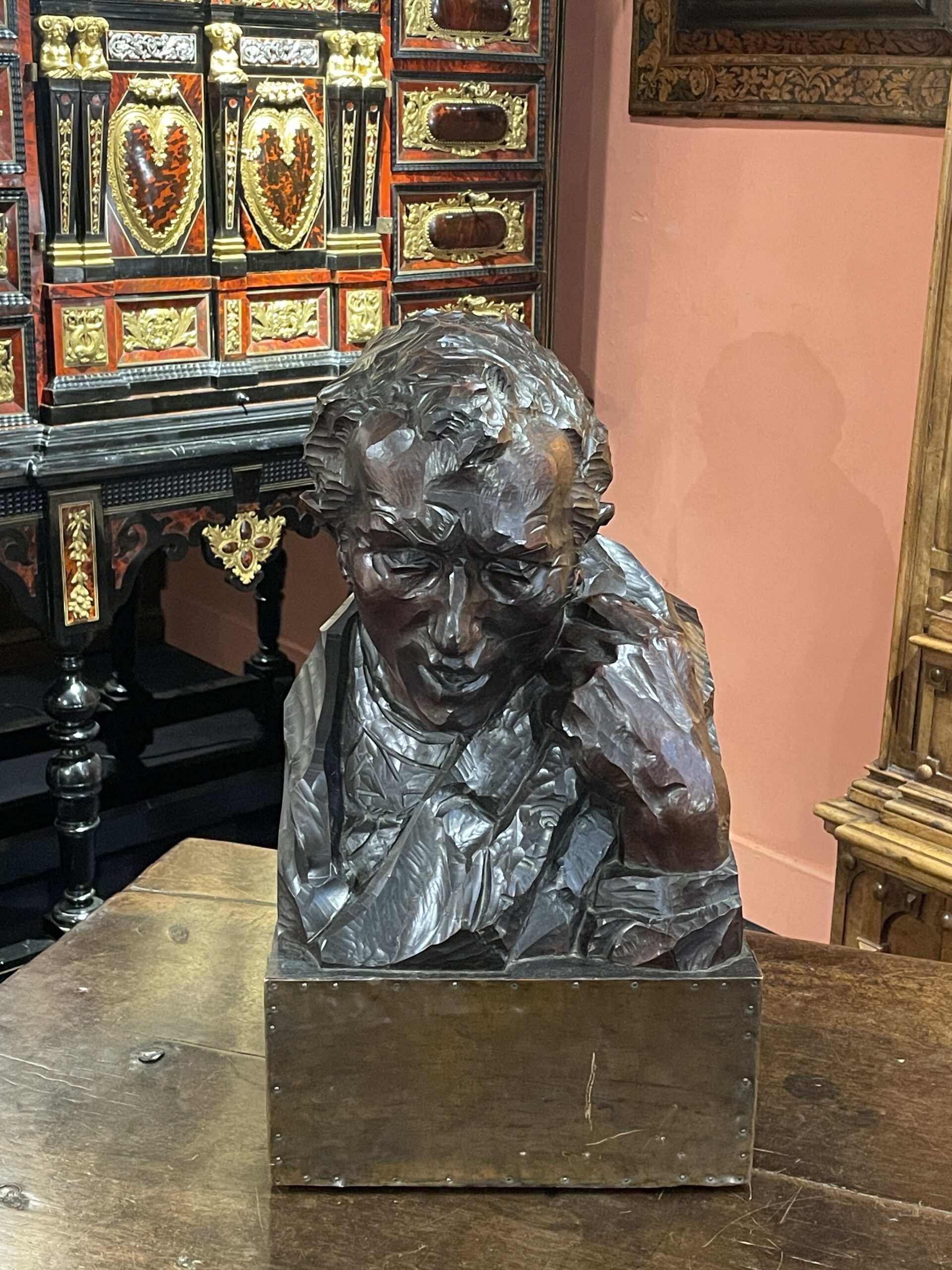
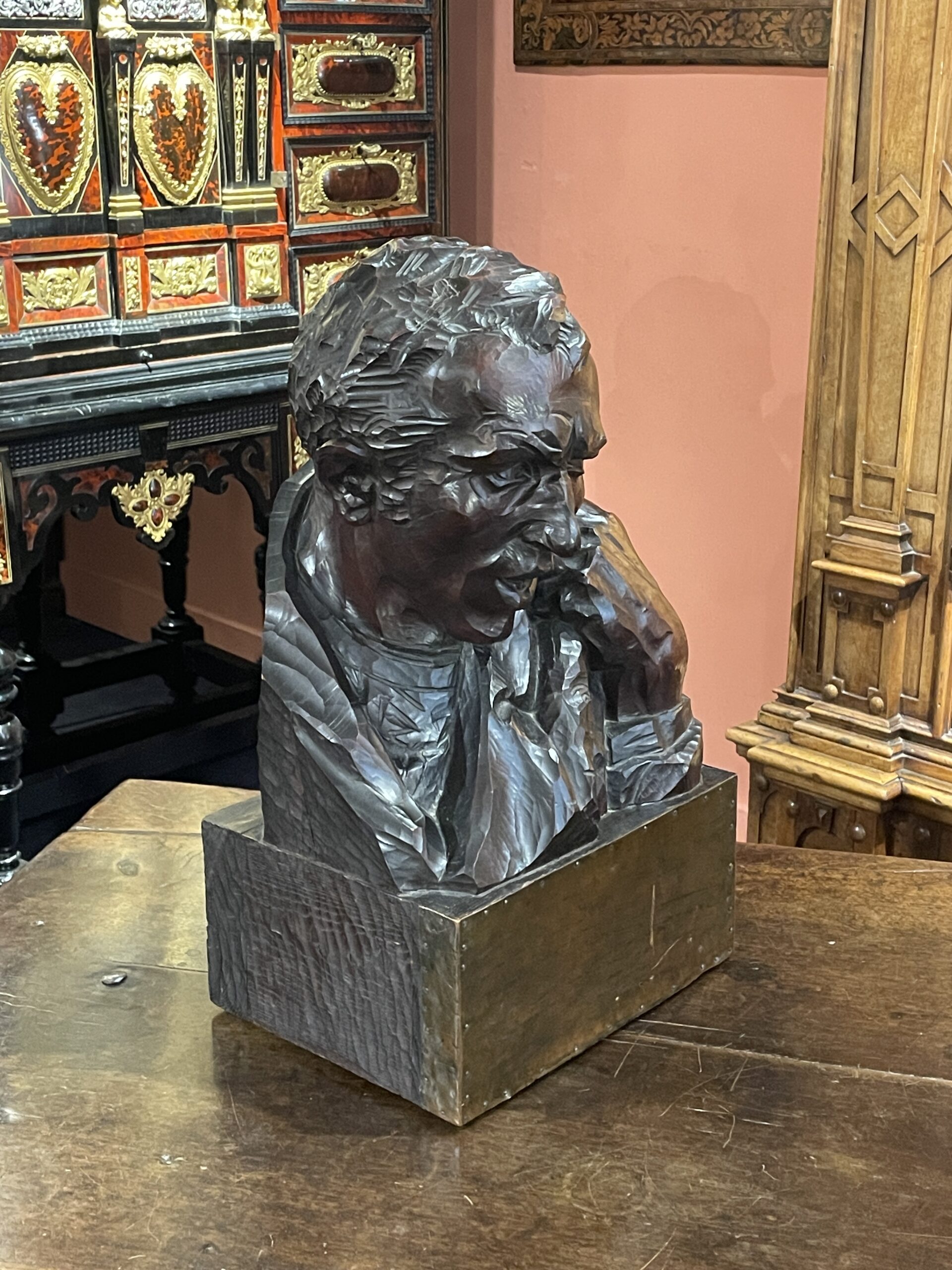

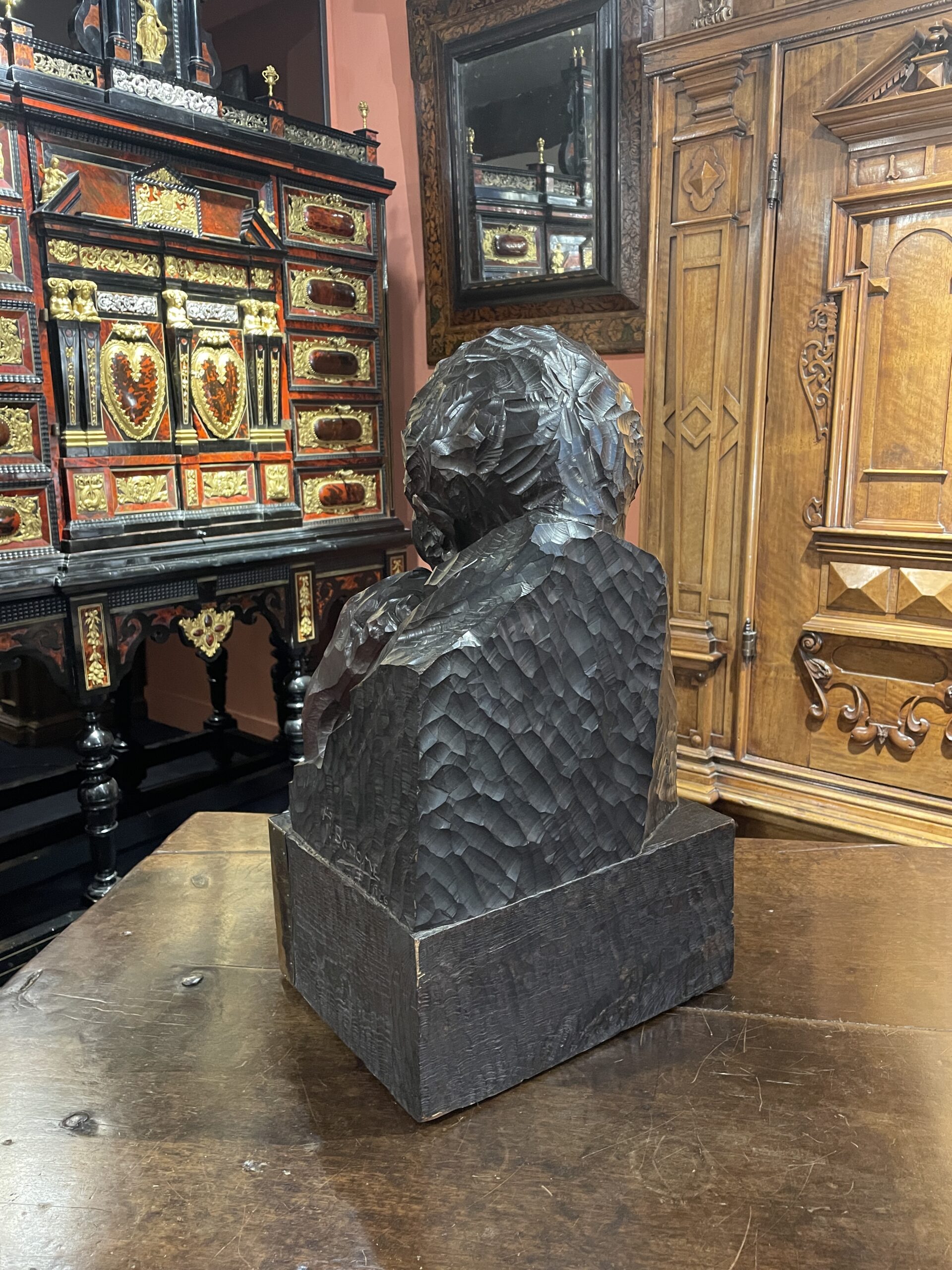
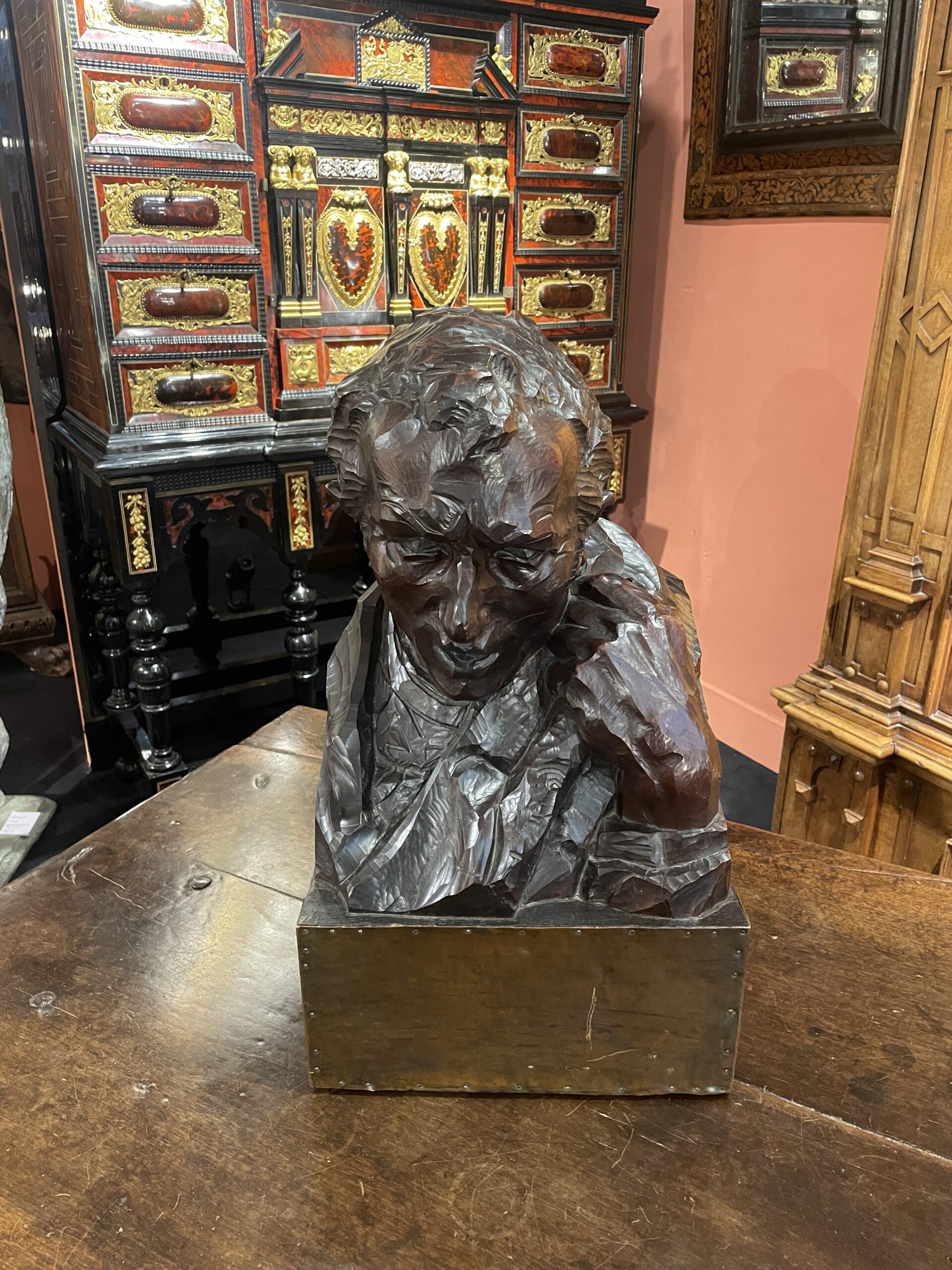
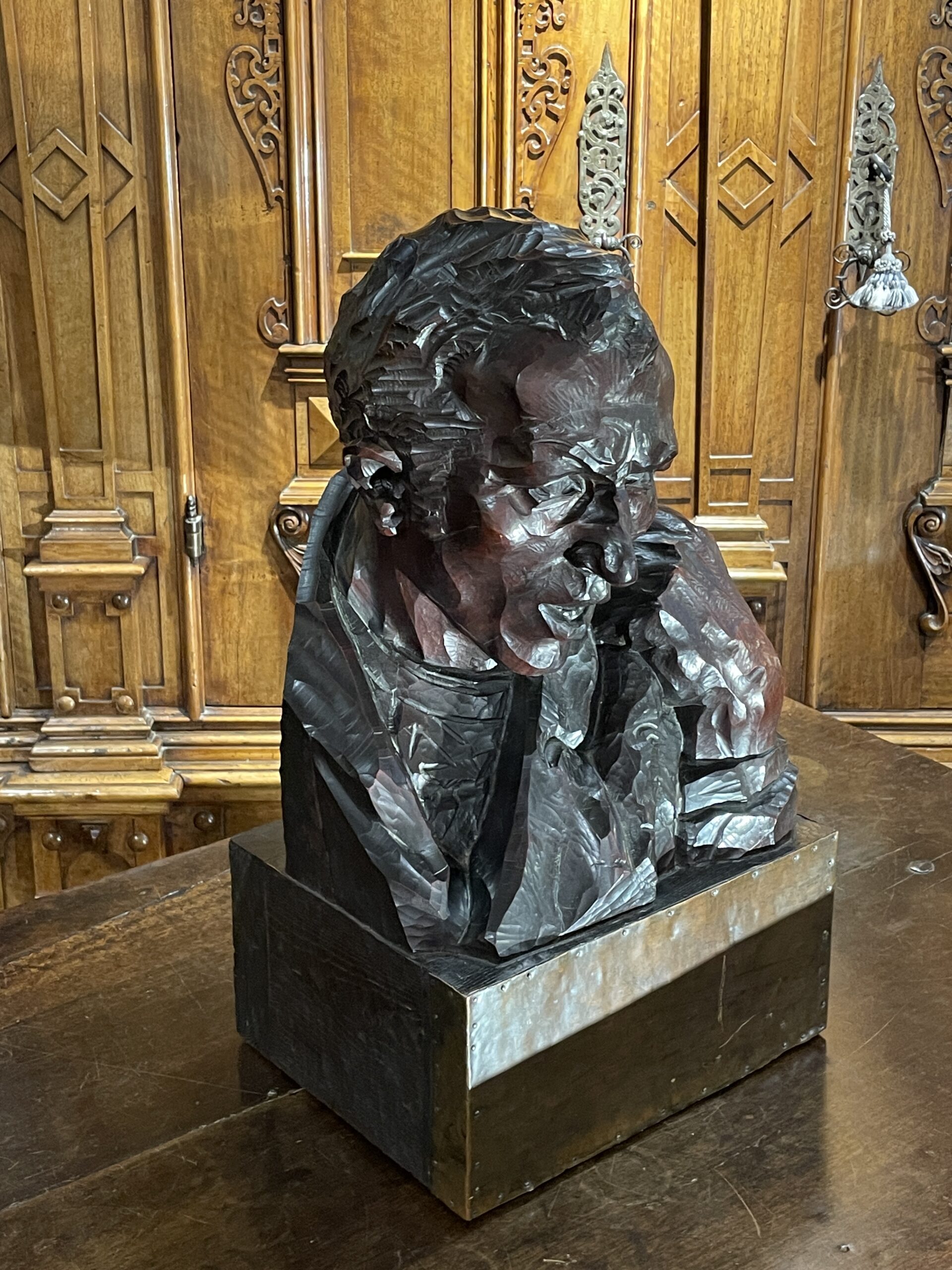
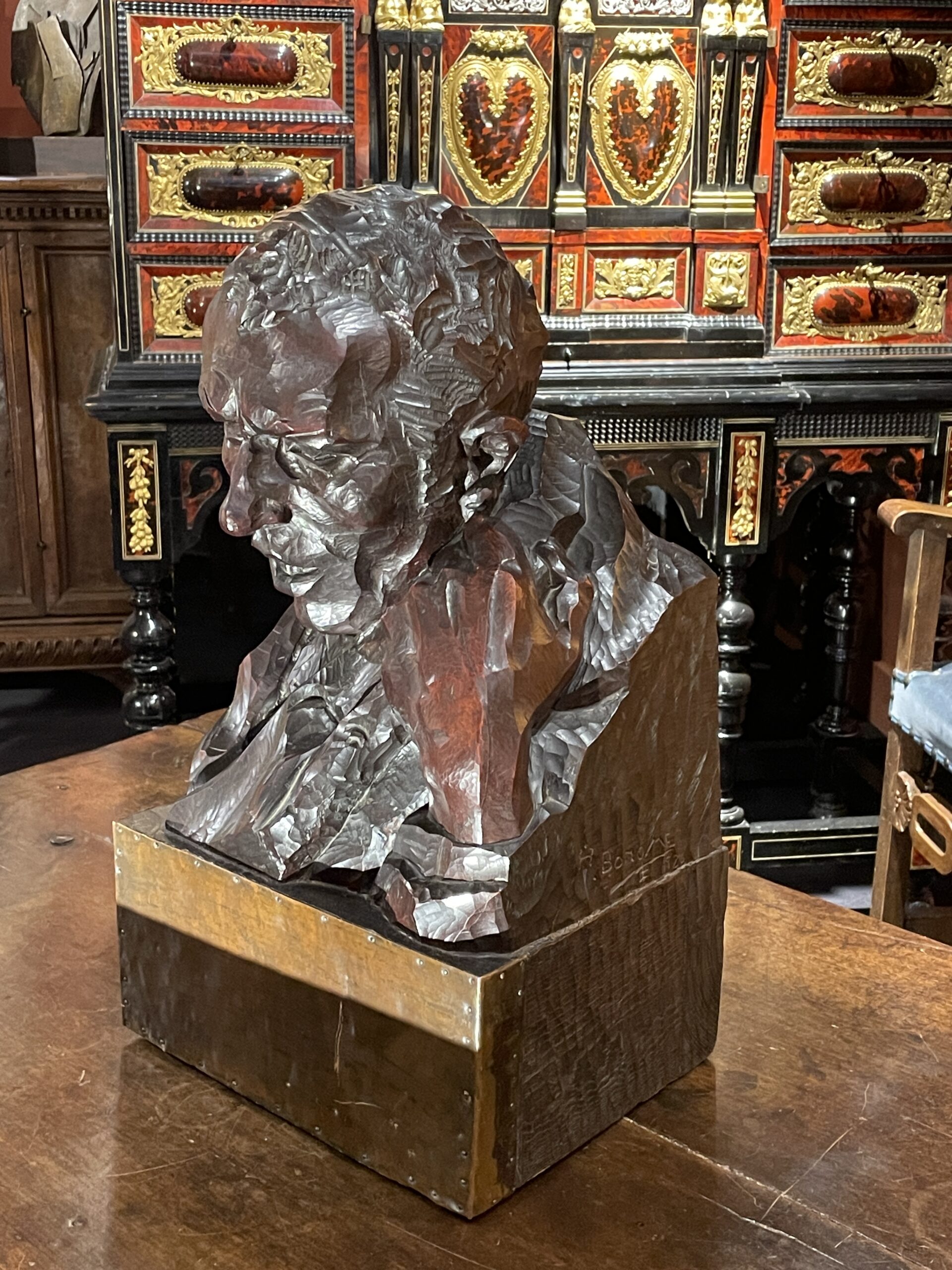
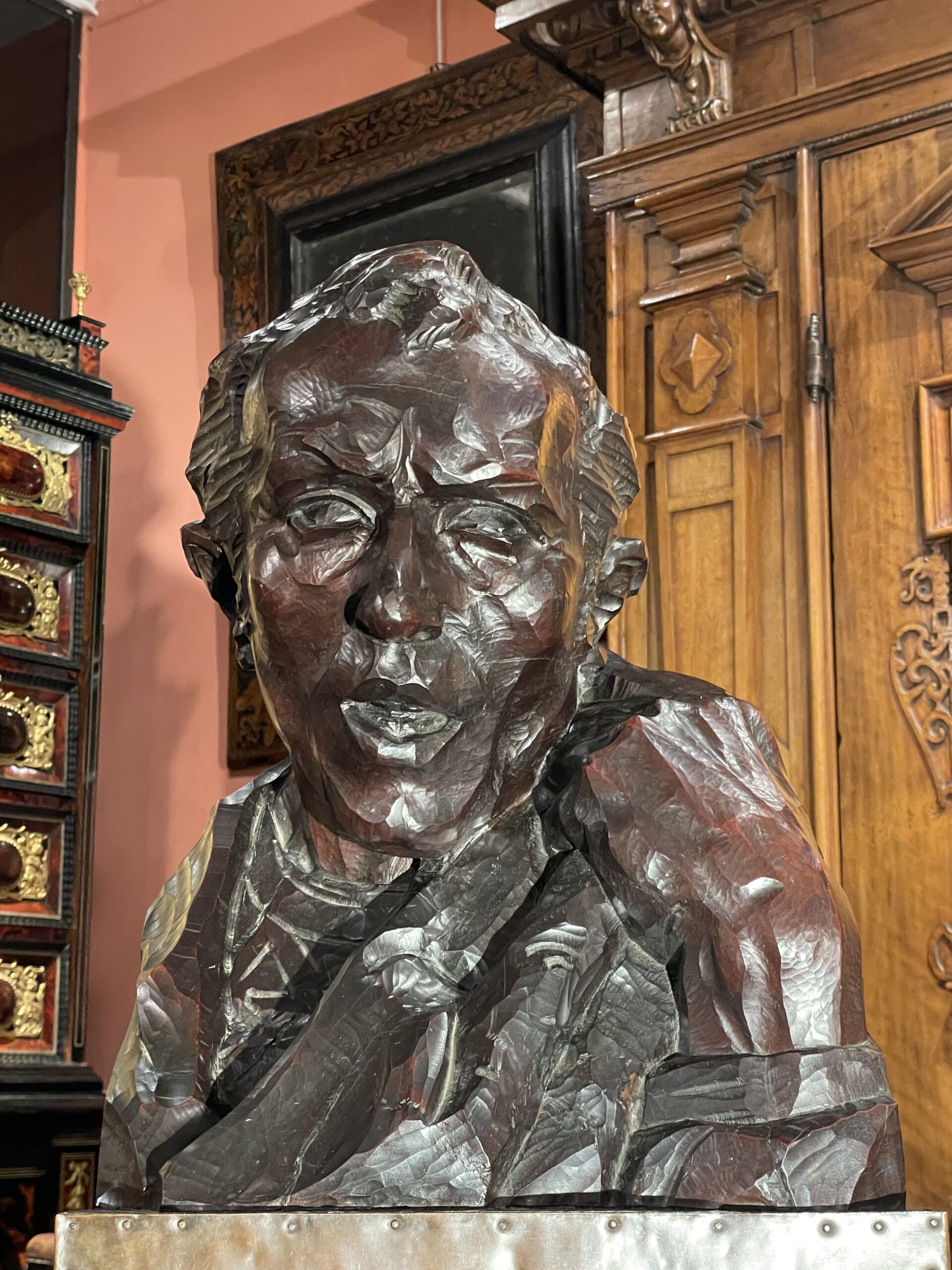
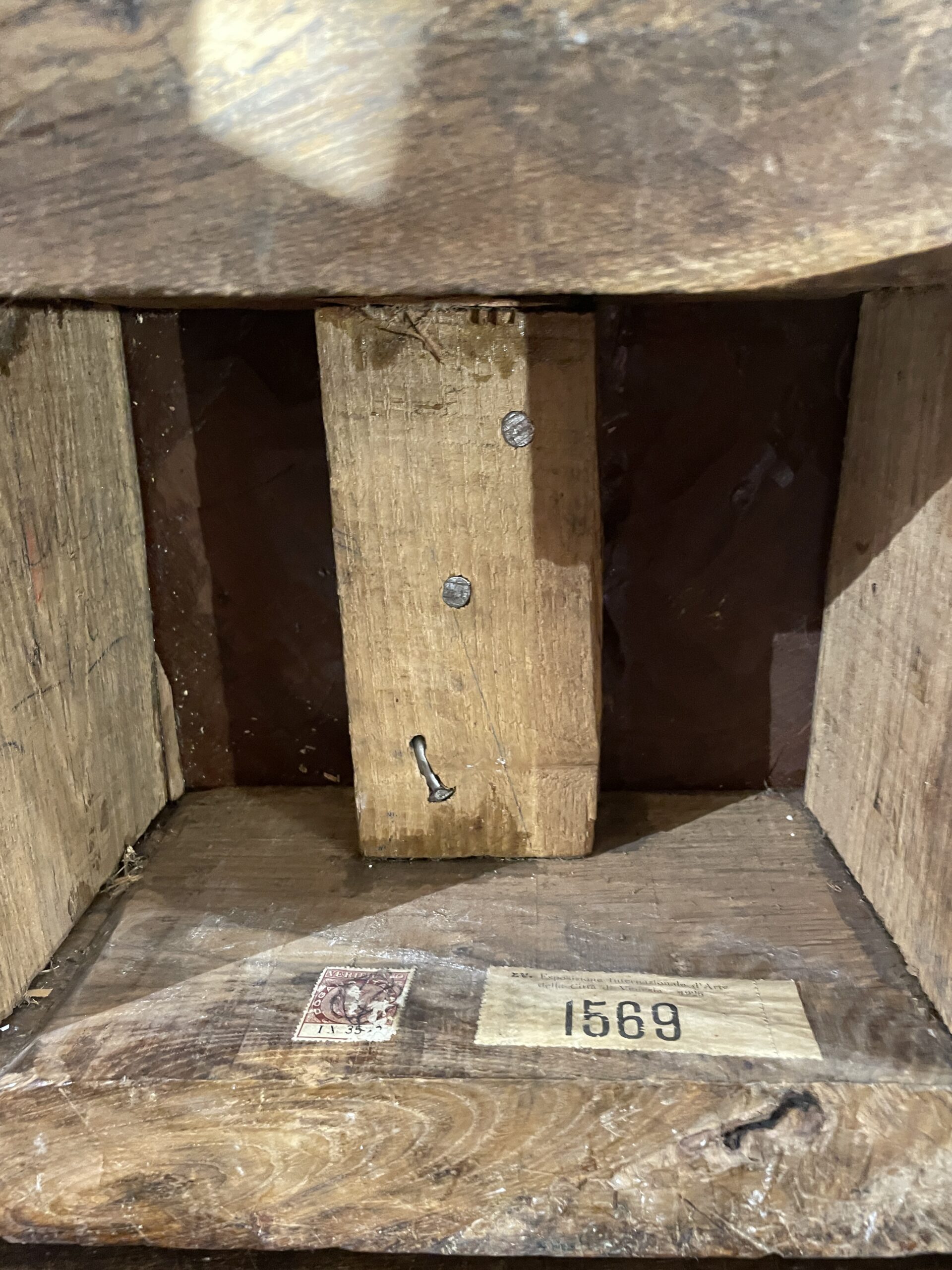
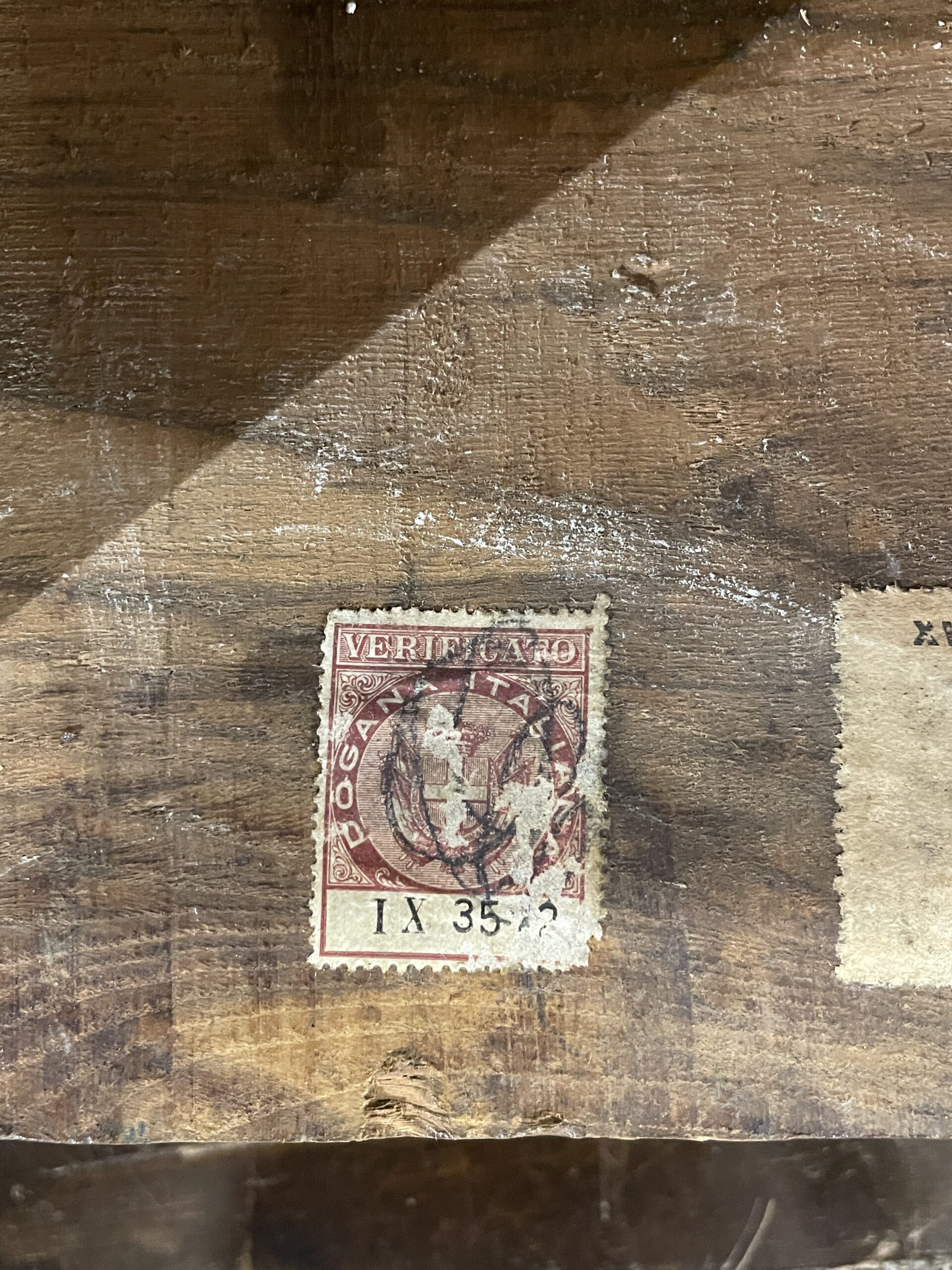
Description
Comments :
Santiago Rodríguez Bonome (April 20, 1901 in Santiago de Compostela – October 29, 1995 in Dreux) was an internationally renowned Spanish wood sculptor (United States, France, Spain, Cuba, Uruguay, Argentina, Japan, etc.) and an art ceramicist.
Many of his works are exhibited in various museums:
– Paris, National Museum of Modern Art – Georges Pompidou National Center for Art and Culture
– La Rochelle
– Spain, Valle-Inclán Foundation
– Spain, Lugo Museum
– Spain, Caixanova Collection
– Spain, Prado Museum in Madrid
Biography :
Born in Santiago de Compostela (Spain) in 1901, the son of Evaristo Rodriguez Bréa and Antonia Bonome Pérez, he began working at a very young age in his father’s modest cabinetmaking workshop. Not particularly attracted to this trade, when his father asked him what he wanted to do, he replied: “sculptor.”
At the age of 13, he entered the religious imagery workshop of José Rivas, at the foot of the cathedral he admired so deeply, and at 18 he joined the workshop of Enrique Carballido.
“For he is so, so young, Bonome! Ridiculously young, said a critic who perhaps did not realize that these years of training — real apprenticeship in a real workshop (one saint a day, quickly, for all the processions, chapels, and devout women of the province) — are each worth four years – at least – of study in an academy…” Margarita Nelken (Madrid, 1932)
In 1924, he moved to Madrid, where he exhibited at the Galician Center, the National Exhibition, and later in La Coruña.
In 1925, at the Galician Center in Buenos Aires, he sold nearly 30 of his works.
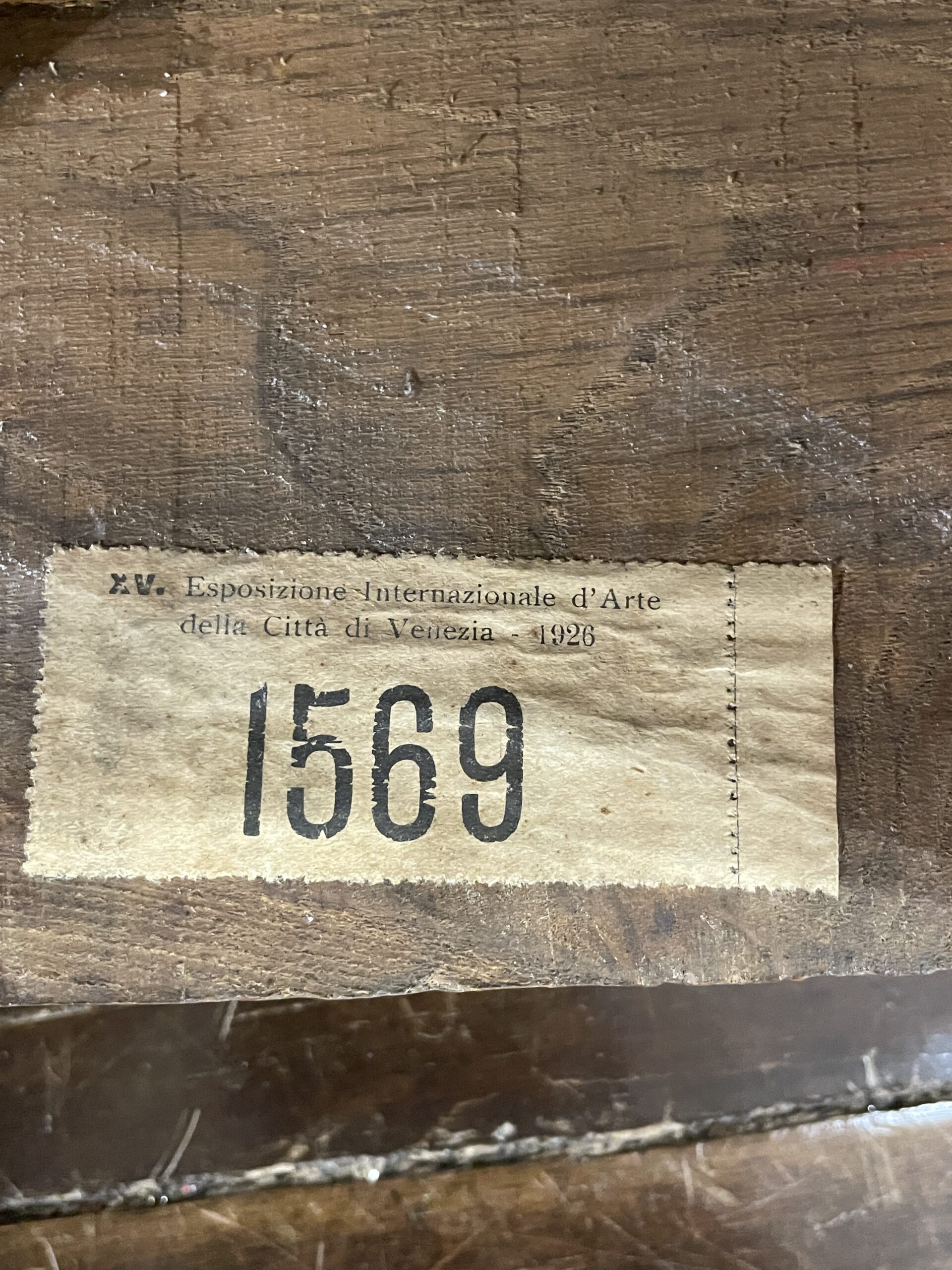
From 1926 to 1927, he exhibited in Barcelona, at the Venice Biennale, then in Monza (Italy), where he met Pirandello, and later in Havana.
In 1929, he arrived in Paris, where Lucas Moreno and Mendez Casal were waiting for him.
In 1931, he exhibited at Leblanc-Barbedienne, which would later become his publisher.
In 1940, he married Simone Grottard, with whom he had two daughters, Jacqueline and Hélène.
The Second World War brought a profound change in the artist’s life, leading him to produce decorative cast-iron objects, then to turn toward art ceramics in order to support his family.
Some of his works can be found in Tokyo, Philadelphia, France, Switzerland, Germany, and of course Spain — in museums and private collections – including: portraits of the Spanish ambassador Quiñones de León, Manuel Portela Valladares (President of the Government of the Second Spanish Republic in exile in Paris), the great architect Palacios, Valle-Inclán, Isabelle Mallet (creator of the “Week of Kindness” in Paris), painter Nestor de La Torre, the mausoleum of poet Pérez Lugin, “The Woman of the Idol” (Georges Pompidou National Center in Paris), “Agriculture and Labor” (Ministry of Labor in Madrid), “Compostellana domu” (Prado Museum in Madrid), “Pain,” Joan of Arc…and the renowned Catalan cellist Pablo Casals.